Butcher Vintage Retro Meat Cleaver Review
I have spent years reviewing digital assets for my own boutique and client work, so I approach every new download with a mix of excitement and skepticism. When Butcher Vintage Retro Meat Cleaver landed in my inbox as part of the Print Templates and Graphics category, I didn't just see a static image; I saw potential for a specific kind of handmade product. This isn't just another generic graphic; it carries a distinct mood that screams "craftsmanship" and "heritage." But does it hold up when translated from a screen to a needle? Let's break down exactly how this design performs in real-world embroidery scenarios.
The First Impression: A Bold Statement Piece
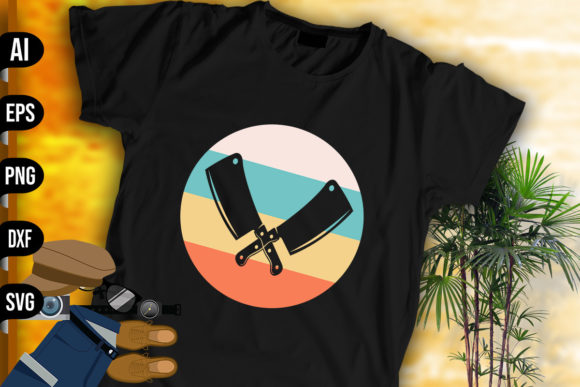
The moment you open the file, the visual personality of Butcher Vintage Retro Meat Cleaver is undeniable. It captures that gritty, mid-century butcher shop aesthetic perfectly. The layout feels balanced, utilizing negative space well while maintaining enough detail to look substantial on fabric. For designers looking to create custom apparel or branded merchandise, this design immediately suggests a narrative. It isn't just a picture of a tool; it represents a lifestyle of butchery, BBQ, or rustic home decor.
When I first sketched out where this could go, my mind went straight to high-impact items. The bold lines and retro styling make it an ideal candidate for a large back print on a heavyweight sweatshirt or a centered chest logo on a denim jacket. Unlike delicate floral patterns that might get lost in the weave of thick cotton, this cleaver design demands attention. It creates a sense of rugged professionalism that customers often associate with high-quality, artisanal goods. If you are an Etsy seller or running a small craft business, this asset has the potential to elevate your brand identity significantly.
Real-World Application: From Sketch to Stitch
To truly understand the value of this embroidery file, I simulated a project scenario. Imagine preparing a batch of custom embroidered tote bags for a local farmers market. You want something that resonates with foodies and kitchen enthusiasts. Using Butcher Vintage Retro Meat Cleaver here would be a strategic move. The design fits the square format of many tote bag panels beautifully.
However, the transition from digital to physical requires careful consideration of stitch types. In my experience, the solid areas of the cleaver blade will likely require a dense fill stitch to ensure opacity, especially if you are using dark thread on a light canvas bag. The handle details might benefit from a combination of satin stitch for smooth edges and running stitch for texture. If executed correctly, the finished product will feel premium. Customers won't just see a logo; they will feel the weight of the stitching, which builds trust in the quality of your handmade products.
This design also shines on holiday gifts. Think about a personalized apron for a father who loves grilling. The retro vibe pairs perfectly with the idea of a classic backyard cookout. When placed on a heavy-duty cotton apron, the design stands out without feeling out of place. It transforms a utilitarian item into a statement piece. Similarly, for nursery decor or baby clothes, the vintage theme can offer a unique twist, provided the color palette is softened to suit the occasion.
Navigating the Challenges: Where to Proceed with Caution
While the design is strong, no single asset is perfect for every situation. As an experienced designer, I need to point out where Butcher Vintage Retro Meat Cleaver might struggle. One major concern is hoop size. If you attempt to digitize or use this design in a very small hoop, the intricate details of the vintage lettering or the fine lines of the cleaver teeth could become muddy. The machine might struggle to navigate tight corners, leading to puckering or loss of definition.
Fabric choice is equally critical. This design relies on clarity, which means thin or stretchy fabrics like jersey knit are risky unless heavily stabilized. On a soft t-shirt, the density required for the fill stitches could cause the fabric to pucker around the cleaver shape. Textured fabrics, such as heavy wool or bouclé, can also hide the finer details of the embroidery project. In these cases, the design might look less sharp than intended. Additionally, if you plan to wash the finished product frequently, like a kitchen towel or a child's outfit, the density of the stitching must be managed carefully to prevent the fabric from becoming too stiff.
Curved surfaces present another hurdle. While caps and hats are popular canvases, the geometry of a cleaver is linear and blocky. Wrapping this design around a curved brim or a rounded crown can distort the perspective, making the tool look slightly warped. For best results, keep this design on flat surfaces like pillow covers, patches, or front chest placements on structured garments.
Design Notes for the Professional Maker
Before you commit to a full production run, there are essential steps any serious maker should take. First, always test the machine embroidery design on scrap fabric that matches your final material. This allows you to check thread color contrast under different lighting conditions. A design that looks vibrant on a monitor might appear dull on black fabric if the thread count isn't adjusted.
You must also review the stitch density. High-density designs can sometimes cause the needle to break or the thread to snap, particularly on older machines. Inspect the small details in the design file to ensure they aren't too fine for your current needle size. If the design includes tiny lettering, verify that it remains legible after stitching. Sometimes, what looks clear in a printable mockup becomes unreadable once the threads lay flat on the fabric.
Don't forget to check the licensing terms. Since this is a digital product, you need to confirm whether you are allowed to sell the finished physical items or if the license restricts commercial use. For small shop owners, this distinction is vital for avoiding legal issues later. Also, consider testing the design in black and white mockups to ensure the composition works regardless of color choices.
Final Verdict on Visual Appeal and Value
Ultimately, Butcher Vintage Retro Meat Cleaver is a versatile asset that adds immediate character to a collection. It speaks to a demographic that values authenticity and tradition. When used correctly, it enhances the perceived value of your products, allowing you to charge more for a finished garment because the design feels intentional and professional.
For those looking to expand their digital embroidery file library, this design offers a great balance of style and practicality. Whether you are creating a custom gift for a friend or stocking shelves at a craft fair, this graphic provides a solid foundation. Just remember to respect the limitations of the medium. Test thoroughly, choose the right stabilizer, and let the vintage charm of the cleaver shine through the thread. With a bit of care, this design can become a staple in your repertoire of design assets.