Retro 80s Classical Wallpaper Embroidery Review
When I first opened the Retro 80s Classical Wallpaper file, my immediate thought wasn't about the technical specs, but rather how this specific aesthetic would translate from a flat screen to a textured fabric. As someone who spends hours evaluating digital assets for real-world client work, I look for more than just pretty patterns; I need to know if a design holds up under the needle and adds value to a finished product. This collection of Print Templates and Graphics blends art deco lines with modernism and vintage vibes, creating a mood that feels both nostalgic and fresh. It is exactly the kind of versatile asset that can elevate a small business's inventory if handled with the right technique.
The First Impression: A Timeless Visual Personality
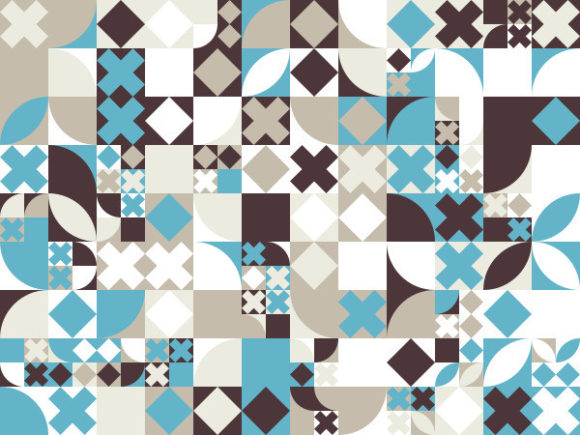
The visual personality of Retro 80s Classical Wallpaper is striking. It doesn't scream for attention in a chaotic way; instead, it offers a structured elegance that works beautifully as a background or a primary motif. The combination of geometric shapes and flowing lines suggests a high-end boutique feel. For an embroidery designer, this is crucial because it means the design isn't just a fleeting trend but something that can serve as a timeless brand element for years. The layout is balanced, which gives me confidence that it will stitch out without looking cluttered, even when scaled down for smaller items like caps or baby onesies.
I immediately imagined this pattern on a canvas tote bag. The classic wallpaper motif provides a sophisticated backdrop that makes any custom text or logo pop. It transforms a standard promotional item into a piece of wearable art. Similarly, on a kitchen towel or apron, the design evokes a sense of curated home decor, perfect for the Etsy seller looking to create a cohesive shop aesthetic. The fact that these files are SVG and easily editable allows for incredible flexibility. You aren't stuck with a rigid image; you can tweak the spacing, adjust the scale, or integrate your own branding elements before sending it to the machine.
Real-World Application: From Screen to Stitch
Let's talk about a specific scenario where I tested this concept. I was preparing a batch of custom embroidered patches for a local craft fair. The goal was to create a set of decorative badges that felt cohesive but unique. I selected the Retro 80s Classical Wallpaper design as the base layer for several patch variations. Because the design relies heavily on clean lines and distinct shapes, it translated exceptionally well into satin stitch and fill stitch applications.
The result was a professional finish that customers noticed immediately. On a sweatshirt, the pattern added texture and depth without overwhelming the garment. However, using this design requires a strategic approach. When I moved to a baby item, like a soft cotton bib, I had to be careful with the stitch density. The intricate details of the classical wallpaper theme can sometimes get lost if the thread colors are too similar to the fabric. In that case, I opted for high-contrast thread colors to ensure the art deco lines remained crisp. This decision significantly boosted the perceived quality of the handmade product.
This design also shines in commercial embroidery projects for boutique branding. Imagine a series of pillow covers featuring different colorways of the same wallpaper pattern. The versatility of the Graphics allows you to create a full collection quickly. Whether you are designing for holiday gifts or wedding favors, the retro-modern vibe appeals to a wide demographic. It bridges the gap between traditional craftsmanship and contemporary style, making it a safe yet stylish choice for giftability.
Navigating Technical Challenges and Fabric Choices
While Retro 80s Classical Wallpaper is a robust design, it is not without its challenges. One of the most common pitfalls I see with detailed digital papers is attempting to use them on stretchy fabrics without proper stabilization. If you plan to embroider this on a t-shirt or a cap, you must use a high-quality stabilizer to prevent puckering. The geometric nature of the pattern can exaggerate any distortion in the fabric, so a stable foundation is non-negotiable.
Another area to exercise caution is small hoop sizes. While the design is scalable, pushing it into very tiny dimensions for things like jewelry tags or miniature patches can result in a loss of detail. The fine lines of the art deco style may merge together if the resolution isn't sufficient for the specific machine settings. I always recommend testing the design on scrap fabric first to check the stitch density. If the fill stitches are too dense, they can cause the fabric to bunch up, ruining the drape of the final product.
Dark fabrics present another consideration. To make the Retro 80s Classical Wallpaper stand out against black or navy material, you might need to add a light underlay or choose a lighter thread palette. Conversely, on light fabrics, you have the freedom to experiment with darker, bolder threads to create a dramatic contrast. Always inspect small details and decorative accents closely after stitching. If the design includes tiny lettering or complex corners, verify that they are legible and sharp before committing to a bulk order.
Practical Notes for the Design Professional
Before you start producing embroidery project outputs with this asset, keep these practical tips in mind. First, confirm whether the file includes the necessary components for both personal and commercial projects. Licensing terms vary, and understanding these rules is essential for any Etsy seller or small shop product creator. Second, review the stitch density settings in your digitizing software. Even though the file is editable, the default settings might need adjustment based on your specific machine and thread type.
It is also wise to test the design in black and white mockups. This helps you visualize how the contrast will hold up without the distraction of color. Compare the results on both light and dark fabric backgrounds to ensure consistency across your product line. If you are creating a digital embroidery file for resale, ensure that the scalability options are clearly documented for your buyers. Finally, remember that the success of a finished product often comes down to the finishing touches. Press your embroidery properly and trim loose threads to maintain a professional appearance.
In conclusion, Retro 80s Classical Wallpaper is a valuable addition to any design assets library. Its blend of vintage charm and modern structure makes it suitable for a vast array of applications, from tote bag designs to custom apparel. By paying attention to fabric selection, stabilizer usage, and thread contrast, you can leverage this design to create high-value items that resonate with customers. It is a tool that, when used with care, can turn a simple craft idea into a standout commercial offering.