Retro Vintage Adventure Mountain Review
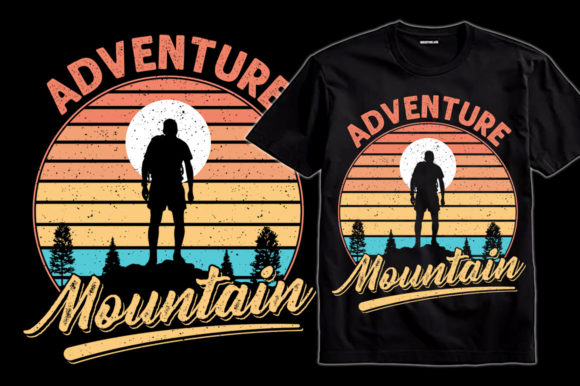
When I first opened the Retro Vintage Adventure Mountain file, my immediate thought wasn't about the technical specs, but rather the vibe it projected. As someone who has spent years turning digital files into tangible stitched pieces for clients and craft fairs, I know that a design's success often hinges on its mood before the needle even touches the fabric. This piece exudes a specific kind of nostalgia—it feels like a worn-out patch from a 1970s hiking jacket or a classic logo found on a vintage band tee. It isn't just a mountain; it is an invitation to explore, wrapped in a style that suggests durability and timeless appeal.
The visual personality of Retro Vintage Adventure Mountain is distinct. The lines are bold enough to hold their shape during stitching, yet the retro aesthetic allows for some creative freedom with thread colors. Whether you envision this in earthy tones like moss green, slate blue, and burnt orange, or a monochromatic scheme using black and white threads, the silhouette remains strong. For a designer looking to create a cohesive collection, this design serves as a perfect anchor piece. It doesn't scream for attention so much as it invites the viewer to lean in and appreciate the craftsmanship.
Bringing the Design to Life: A Real-World Scenario
To truly understand how this design performs, let's imagine a real project. I recently needed a custom embroidered patch for a limited-run tote bag line I was preparing for a local artisan market. The goal was to create something that felt handmade and authentic, not mass-produced. I selected Retro Vintage Adventure Mountain as the centerpiece for these bags. The challenge was ensuring the design would translate well from a digital screen to a sturdy canvas tote.
I started by testing the layout on scrap fabric. The mountain range features clean, sweeping curves that mimic the natural ridges of a peak. When stitched onto the canvas, the design held up remarkably well. The lack of overly intricate micro-details meant that even on a slightly textured fabric, the imagery remained crisp. Customers at the market responded positively to the "adventure" theme, often commenting on how the design made them want to go outside. It wasn't just a graphic; it became a conversation starter. The finished product looked professional, suggesting that the Print Templates category this design belongs to offers high-quality assets suitable for serious commercial use.
Performance Across Different Embroidery Projects
The versatility of Retro Vintage Adventure Mountain extends far beyond tote bags. Because the design relies on strong shapes rather than delicate shading, it adapts beautifully to various garment types. For sweatshirt embroidery, the retro style pairs perfectly with the casual nature of fleece or cotton blends. The fill stitches required for the mountain peaks provide a nice texture that contrasts nicely with the softness of the sweatshirt material.
I also considered how this design would work for baby embroidery. While the theme is rugged, the simplicity of the lines makes it safe for baby clothes, provided the stitch density is adjusted to be softer against sensitive skin. It could easily be adapted into a nursery decor item, perhaps stitched onto a pillow cover or a wall hanging. The nostalgic feel adds warmth to a child's room without being too childish. Furthermore, for holiday embroidery, this design fits the growing trend of "outdoor holidays." Imagine this stitched onto a kitchen towel or an apron for a family gathering centered around camping or cabin life.
For commercial embroidery projects aimed at small business owners, this design offers excellent value. It can be used on caps, hats, and even as a standalone embroidered patch to be sewn onto denim jackets or backpacks. The digital embroidery file structure appears robust, making it suitable for both personal gifts and resale items. However, success depends heavily on the execution details discussed below.
Navigating Challenges and Limitations
While Retro Vintage Adventure Mountain is a strong candidate for many projects, no single design is universally perfect. There are specific scenarios where caution is required. If you plan to use this on small hoop sizes, you must verify the dimensions carefully. Designs with complex layers can sometimes lose definition when compressed into a tiny area. If the original file contains fine lines that are too close together, they might merge during the stitching process, resulting in a muddy appearance.
Fabric choice plays a critical role in the final look. Textured fabrics like heavy wool or bouclé can obscure the finer details of the mountain range. Similarly, stretchy fabrics like jersey or spandex require careful stabilizer selection to prevent puckering. Without proper support, the tension of the stitch density can distort the fabric, ruining the clean lines of the retro style. Dark fabrics present another consideration; while the design looks great in contrast, you may need to adjust the thread colors or add a backing layer to ensure the design pops against the background.
Curved surfaces, such as those found on caps or hats, demand extra attention. The curvature can alter the perception of the mountain's height and width. It is essential to test the design on the actual curve before committing to a full production run. Additionally, if the design includes any tiny lettering or decorative accents, these areas are prone to breaking down over time, especially on products that require frequent washing. For items that will see heavy use, reinforcing the edges with a satin stitch border can add durability.
Professional Designer Notes for Success
Before you download and start stitching, there are several practical steps every craft business owner should take. First, always test the design on scrap fabric first. This allows you to assess the thread color contrast and check the overall balance of the fill stitch versus the running stitch elements. You want to ensure that the design doesn't feel too heavy or too light for the intended garment weight.
Review the stitch density within your software. If the mountain peaks are filled with too many stitches, the fabric might pucker. Conversely, if the density is too low, the design might look sparse. Confirm the recommended hoop size matches your machine's capabilities. If the design is large, you may need to split it or use a larger frame. Inspect small details closely; sometimes, what looks good on a screen can get lost in the thread.
It is also wise to test the design in black and white mockups to see how the values interact. Compare how it looks on light versus dark fabric backgrounds. Use a proper stabilizer appropriate for the fabric type—cut-away for stability on stretchy materials or tear-away for woven fabrics. Finally, confirm whether the license terms allow for both personal and commercial embroidery projects. Many Etsy sellers and small shop product creators assume all digital assets are free for resale, which is rarely the case. Check the documentation included with the Graphics package to ensure you are compliant.
Final Thoughts on Visual Appeal and Value
Retro Vintage Adventure Mountain succeeds because it balances aesthetic charm with practical usability. It elevates the perceived value of a handmade product by adding a layer of sophistication that generic clipart cannot match. When customers see a well-executed design like this, it builds trust in the brand and suggests that the creator cares about quality. It transforms a simple personalized gift or a basic tote bag design into a statement piece.
For creative entrepreneurs looking to expand their design assets library, this file offers a reliable option. It fits seamlessly into themes of travel, nature, and outdoor living, which remain perennially popular. By paying attention to the nuances of fabric, stabilization, and thread selection, you can turn this digital template into a stunning finished product that stands out in a crowded marketplace. Whether you are creating a boutique collection or a one-off gift, Retro Vintage Adventure Mountain provides a solid foundation for success.