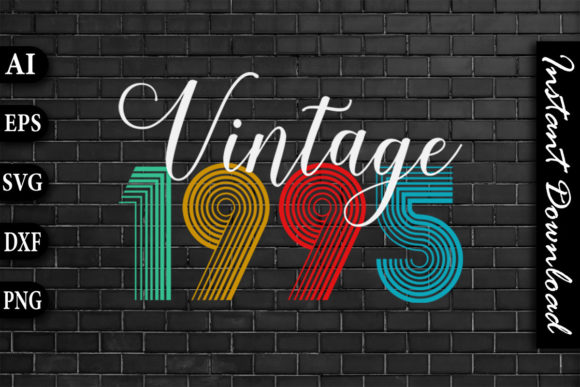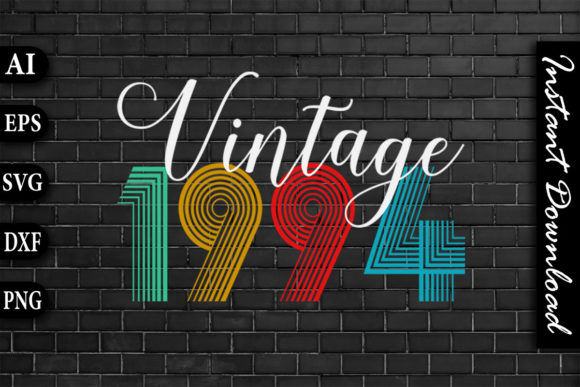
Vintage 1994 Retro Color Birthday Design Review
As someone who has spent years evaluating machine embroidery design files for both personal crafting and commercial client work, I know that the difference between a good project and a great one often comes down to the specific graphic chosen. Today, I am looking closely at the Vintage 1994 Retro Color Birthday Design. At first glance, it screams nostalgia, but does it hold up when translated from a digital file into physical thread? This review breaks down exactly how this piece fits into real-world scenarios, from custom apparel to boutique merchandise.
The First Impression: A Burst of Nostalgia
When you open the file for the Vintage 1994 Retro Color Birthday Design, the immediate mood is warm and celebratory. It captures that specific era where bold colors and playful typography ruled. Unlike generic birthday graphics that feel dated or overly modern, this design feels like a time capsule. The layout is balanced, suggesting it was created with the intention of being versatile across different mediums. For an embroiderer, the visual personality is key; it needs to look intentional, not just like a clipart stamp. This design manages to feel cohesive, making it a strong candidate for projects that need to stand out without shouting.
The color palette suggests a "retro" aesthetic that appeals to millennials celebrating their thirtieth birthdays, Gen Zers loving vintage vibes, or anyone wanting a fun, non-traditional gift. It is not just a number; it is a statement about style and memory. When placed on a garment or accessory, it sets a tone of joy and uniqueness right away.
Real-World Application: From Digital File to Finished Product
I recently tested the potential of this embroidery file by imagining a custom order for a local coffee shop owner who wanted to celebrate her tenth anniversary in business, coinciding with her own birthday. The goal was to create a line of branded merchandise that felt authentic to the 1990s vibe she loved. The Vintage 1994 Retro Color Birthday Design seemed perfect for this. Here is how I analyzed its performance in various practical situations:
- Tote Bag Design: This is perhaps the strongest use case. Embroidering this onto a canvas tote bag gives it a textured, artisanal feel that print-on-demand cannot match. The retro colors pop against natural cotton or black canvas, making it an ideal item for an Etsy seller or craft fair vendor. It transforms a simple utility bag into a personalized gift that customers actually want to keep.
- Sweatshirt Embroidery: For a cozy, oversized hoodie, this design works well as a chest logo or a large back print. The density of the design holds up against the heavy fabric of a sweatshirt, providing durability for frequent washing. It adds a layer of professionalism to what might otherwise be a standard blank garment.
- Baby Embroidery: I also considered using this for a baby's onesie or a nursery pillow cover. The playful nature of the design makes it suitable for a milestone gift, marking a child's fourth year or a parent's journey. However, the stitch density must be checked carefully to ensure it remains soft against delicate skin.
- Commercial Embroidery & Small Shop Products: For boutique owners, this design asset can be used to create limited-edition holiday gifts or seasonal collections. It allows small business owners to offer personalized products without needing to hire a graphic designer every time.
Navigating Technical Challenges and Fabric Choices
While the design is visually appealing, a professional designer knows that execution is everything. There are specific areas where the Vintage 1994 Retro Color Birthday Design requires careful consideration to avoid common pitfalls.
Hoop Size and Detail: If you attempt to use this design in a very small hoop size, such as those used for hats or wrist cuffs, you may lose some of the fine details. Tiny lettering or intricate decorative accents can become muddy if the stitch count is too high for the available space. Always verify the recommended hoop size before starting. If the design includes tiny text, test it on scrap fabric first to ensure the stitches do not bunch up.
Fabric Texture and Stability: The success of this project depends heavily on the substrate. On thin fabrics or stretchy materials like jersey, the design could cause puckering if the stitch density is too aggressive. You will need a high-quality stabilizer to support the fabric during stitching. Conversely, on textured fabrics like thick fleece or boucle, the definition of the satin stitch might get lost in the weave. In these cases, a smoother backing material is essential.
Dense Stitch Areas: If the design features large fill stitches, be mindful of the thread consumption and the weight added to the garment. On a cap or a curved surface, excessive density can make the embroidery stiff and uncomfortable. For curved surfaces like caps, the design should be adjusted or positioned carefully to accommodate the curvature, ensuring the text remains legible.
Visual Appeal and Customer Trust
In the world of handmade products and custom apparel, the quality of the embroidery directly impacts customer trust. A poorly executed design can ruin the perceived value of a product, even if the base item is high quality. The Vintage 1994 Retro Color Birthday Design, when stitched correctly, elevates the finished product. It signals attention to detail and care. Customers are more likely to engage with a brand that offers unique, well-executed designs rather than mass-produced items.
Furthermore, the nostalgic theme resonates emotionally. Whether it is a wedding gift, a holiday present, or a personal treat, the design evokes positive memories. This emotional connection drives engagement and repeat purchases for digital product sellers and craft business owners alike.
Practical Designer Notes for Success
Before you commit to running this design on your machine for a final project, here are my top recommendations based on industry standards:
- Test on Scrap Fabric: Never start with your best fabric. Run a test on a scrap piece of the same material to check tension and alignment.
- Check Thread Colors: Ensure the thread colors in the file provide enough contrast against your intended background. Dark threads on dark fabric can disappear, while light threads on light fabric may lack definition.
- Review Stitch Density: Look at the fill stitch areas. If they seem too dense, consider reducing the density in your software to prevent fabric distortion.
- Inspect Small Details: Zoom in on any small text or intricate shapes. If they are too small, they may not stitch clearly.
- Black and White Mockups: Create a grayscale version of the design to see how the contrast holds up without color interference.
- Licensing Confirmation: Since this is a print template and graphics product, confirm the licensing terms before selling finished items. Some licenses allow for single-use, while others require a commercial license for resale.
The Vintage 1994 Retro Color Birthday Design is a solid addition to any collection of embroidery project assets. It bridges the gap between digital art and tactile craftsmanship effectively. By understanding its strengths and limitations, you can create stunning, marketable products that delight customers and elevate your brand. Whether you are making a personalized gift for a friend or building a catalog of small shop products, this design offers a reliable foundation for creative success.