Vintage Sunset Retro Rectangle Design Review
When I first opened the file for the Vintage Sunset Retro Rectangle Design, my immediate reaction was a sense of nostalgia mixed with practical curiosity. As someone who has spent years reviewing embroidery files for everything from boutique branding to custom family gifts, I know that a pretty image on a screen does not always translate to a beautiful stitched piece. This design sits right at that intersection where visual appeal meets technical execution. It promises a specific mood—warm, retro, and inviting—and the question is whether it can hold up under the needle.
The First Stitch: Mood and Visual Personality
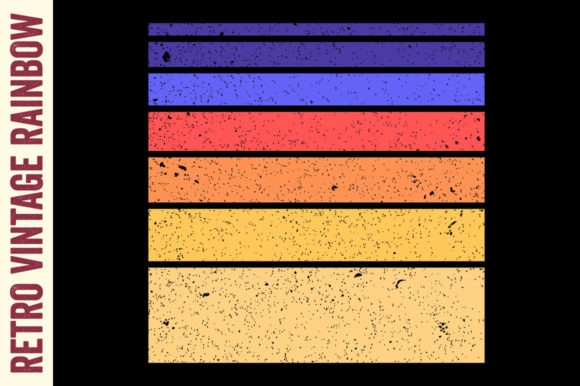
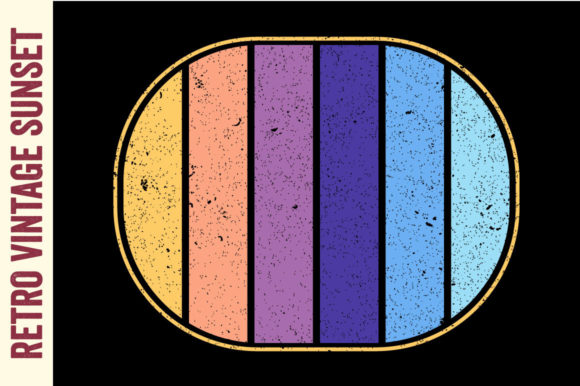
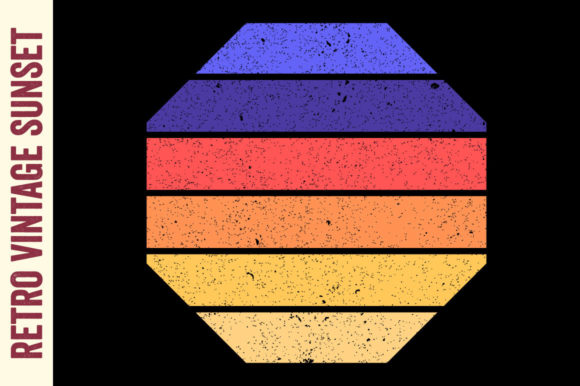
The rectangle shape provides a solid, structured frame that feels intentional rather than accidental. In the world of machine embroidery design, geometry matters because it dictates how the eye travels across the garment or item. The sunset theme evokes a feeling of calm and warmth, which makes it perfect for projects intended to feel cozy or welcoming. Unlike chaotic abstract patterns that might look messy when stitched with varying thread densities, this design offers a clear focal point. The retro aesthetic suggests a vintage color palette, likely utilizing deep oranges, soft purples, and faded yellows that are classic in embroidery threads.
For a designer looking to create a cohesive brand identity, this design acts as a strong anchor. It feels like it belongs on a high-quality canvas tote bag or a heavy cotton sweatshirt. The layout suggests that it was created with the limitations of stitching in mind, avoiding overly intricate details that might blur together during the process. When you imagine this as a finished product, it looks like something a customer would proudly display, signaling a taste for timeless style over fleeting trends.
Real-World Application: From Screen to Fabric
To truly understand the value of this design, I had to simulate a real project scenario. Imagine you are an Etsy seller preparing inventory for the upcoming holiday season. You have a batch of plain canvas tote bags ready to be customized for gift-giving. Placing the Vintage Sunset Retro Rectangle Design on the front pocket creates an instant upgrade. The rectangular shape fits perfectly within standard pocket dimensions, offering a balanced look that doesn't overwhelm the fabric.
I also considered its potential for apparel decorators working on baby clothes. A softer version of this design, perhaps using pastel threads instead of bold retro colors, could work beautifully on a onesie or a nursery wall hanging. The clean lines of the rectangle provide a safe space for the eye, making it less jarring for infants than complex, scattered motifs. For a craft fair vendor, this design serves as a versatile asset. Whether applied to a kitchen towel, a pillow cover, or an embroidered patch, the core concept remains consistent. It transforms a generic item into a personalized gift that feels thoughtfully curated.
However, the success of the final product depends heavily on the substrate. On a thick fleece sweatshirt, the fill stitches will stand out with excellent texture, creating a tactile experience that customers love. On a lighter linen tea towel, the design might appear more delicate and refined. The key is matching the stitch density to the fabric weight. If the fabric is too thin, the design might pucker; if it is too heavy, the machine might struggle to penetrate deeply enough without additional stabilizer support.
Where Caution Is Required
No design is universally perfect, and the Vintage Sunset Retro Rectangle Design has specific areas where a designer must exercise care. Small hoop sizes present a significant challenge. If you attempt to stitch this on a small cap or a narrow cuff, the rectangular shape might get cut off, ruining the composition. Always verify your hoop size before committing to a run. Similarly, textured fabrics like terry cloth or bouclé can obscure fine details. The contrast between the thread and the background becomes critical here; a light thread on a dark, textured surface might disappear entirely.
Stretchy fabrics, such as jersey knits used for t-shirts, require a firm stabilizer to prevent distortion. Without proper stabilization, the rectangle could warp, losing its straight edges and appearing lopsided. Curved surfaces like baseball caps add another layer of complexity. While the design might look great flat, the curvature of a cap can stretch the vertical elements of the rectangle, altering the proportions. In these cases, testing on scrap fabric is non-negotiable.
Dense stitch areas are another consideration. If the design relies heavily on satin stitches for the borders, it might become stiff and uncomfortable against the skin. For items meant to be worn frequently, like aprons or baby clothes, ensuring the stitch density is breathable and flexible is essential for customer satisfaction. Additionally, if the design includes tiny lettering or minute decorative accents, these may not register clearly on all machines, especially older models with lower resolution capabilities.
Practical Notes for the Embroidery Designer
Before adding this design to your commercial portfolio or starting a personal project, there are several technical steps you must take. First, always test the design on scrap fabric that matches your final material in both weight and texture. This simple step can save hours of rework and wasted materials. Check the thread color contrast carefully; sometimes a color that looks vibrant on a monitor appears dull once stitched, particularly if the thread sheen differs from the fabric finish.
Review the stitch density settings in your software. High-density designs often require a stronger backing or a different type of stabilizer to maintain their shape. Confirm the recommended hoop size for the design file, and ensure your machine can accommodate it. Inspect small details closely to see if they need simplification for your specific machine capabilities. It is also wise to test the design in black and white mockups to check the balance of light and dark areas, ensuring the silhouette holds up even without color.
If you plan to sell finished products featuring the Vintage Sunset Retro Rectangle Design, you must confirm the licensing terms. Some digital embroidery files are intended for personal use only, while others allow commercial sales of the finished item but restrict the resale of the digital file itself. Understanding these distinctions protects your business from legal issues. Finally, compare the design against your brand's aesthetic. Does the retro vibe align with your shop's identity? If your brand focuses on modern minimalism, this design might feel slightly out of place unless adapted carefully.
Final Thoughts on Value and Appeal
The true measure of any embroidery file is its ability to elevate a product. The Vintage Sunset Retro Rectangle Design succeeds in creating a sense of warmth and nostalgia that resonates with buyers. It adds a layer of professionalism to handmade goods, signaling that the creator put thought into every stitch. For small business owners and creative entrepreneurs, this design is more than just a graphic; it is a tool for building trust and engagement. When a customer sees a well-executed, cohesive design on a tote bag or a personalized gift, they are more likely to perceive the item as high-value and worth the price.
Whether you are an experienced embroiderer looking to expand your catalog or a hobbyist wanting to make a special keepsake, this design offers a solid foundation. It balances artistic expression with technical feasibility, provided you respect the constraints of the medium. By following practical testing protocols and understanding the nuances of fabric and thread, you can turn this digital template into a stunning finished product that stands out in a crowded market.