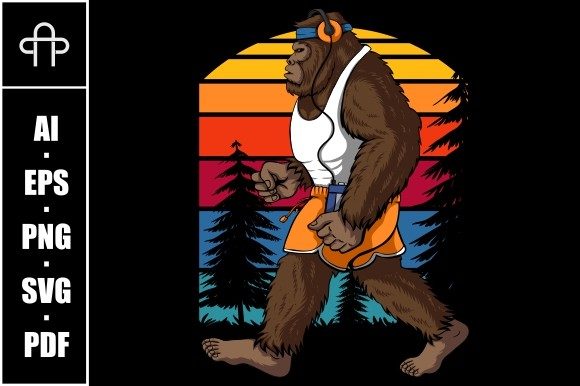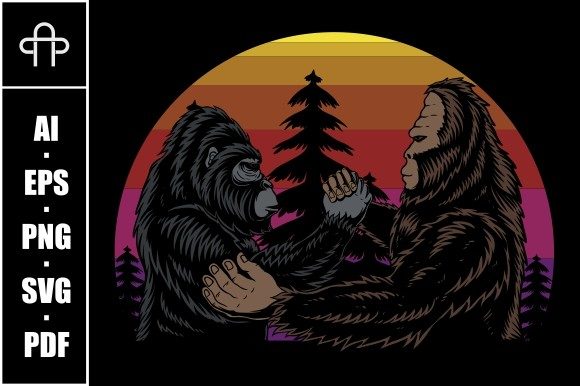
Bigfoot and Gorilla Brothers Retro
I have spent years stitching everything from delicate floral monograms to bold corporate logos, and I have learned that the difference between a project that sells and one that gathers dust often comes down to the design itself. When I first pulled up Bigfoot and Gorilla Brothers Retro, my immediate reaction was one of genuine amusement mixed with professional curiosity. This isn't just another generic clip art; it carries a specific mood that screams vintage fun. The retro vector illustration style suggests a playful, nostalgic energy that feels perfect for a brand looking to stand out in a crowded marketplace.
As an experienced designer reviewing this for real-world application, I am not just looking at how it looks on a screen. I am visualizing the needle movement, the thread tension, and the final texture on fabric. The concept of two brothers—one mythical and one primate—united in a retro aesthetic creates a unique visual personality. It is quirky without being confusing, and detailed enough to hold attention but simple enough to stitch cleanly. For anyone running a craft business or selling handmade goods, this kind of character-driven design is gold because it tells a story instantly.
Bringing the Design to Life: A Real Project Scenario
Let me walk you through a practical scenario where Bigfoot and Gorilla Brothers Retro would shine. Imagine you are preparing a custom embroidered tote bag for a local craft fair or an Etsy shop listing. You want something that catches the eye of a passerby who loves outdoorsy themes, camping gear, or just good humor. This design fits that niche perfectly.
Picture the finished product: a heavy canvas tote bag featuring the two characters side-by-side. The retro coloring, once translated into thread, would pop against a natural burlap or a deep navy background. Customers walking by wouldn't just see a logo; they would see a conversation starter. "Who are those guys?" becomes the opening line for your sales pitch. That engagement is exactly what small business owners need. Whether you are making baby onesies for a nursery collection or creating patches for a denim jacket, this illustration offers a level of charm that generic text-based embroidery simply cannot match.
The layout of the design suggests a balanced composition, which is crucial for products like sweatshirts or aprons where space is limited but visibility is key. If you were to use this as a central graphic on a kitchen towel, the characters would add a whimsical touch to the home, turning a utilitarian item into a decorative piece. It works equally well as a standalone patch for a cap or a backpack, adding a layer of personality to everyday gear.
Performance in Real-World Embroidery Situations
When we talk about using an embroidery file for commercial purposes, stability is everything. Bigfoot and Gorilla Brothers Retro appears to rely heavily on clean lines and solid shapes, which generally translates well to machine embroidery. However, the success of the final product depends entirely on how the design is digitized and executed. In terms of stitch types, I expect this design to utilize a mix of satin stitches for outlines and fill stitches for the bodies of the characters to give them volume and depth.
This balance is vital for maintaining clarity. If the fill stitch density is too high, the fabric might pucker, especially on lightweight materials like t-shirts or baby clothes. Conversely, if the density is too low, the underlying fabric might show through, ruining the crisp look of the retro illustration. For a tote bag design made of sturdy cotton or canvas, this design should perform exceptionally well, as the thick fabric can handle the weight of the thread without distorting.
I also see great potential for this in holiday embroidery projects. The retro vibe pairs beautifully with seasonal colors, making it a versatile asset for Christmas stockings or Halloween decorations. For commercial embroidery clients who want a unique brand identity, this design offers a way to create merchandise that feels authentic and handcrafted rather than mass-produced. It elevates the perceived value of the finished product, making customers feel they are buying something special.
Where Caution is Required
Even the best designs have their limitations, and knowing where to apply Bigfoot and Gorilla Brothers Retro is just as important as knowing where to avoid it. One area where I would exercise extreme caution is small hoop sizes. While the characters are distinct, if the design includes intricate details or tiny text elements, shrinking it down for a hat brim or a child's bib could result in lost definition. The threads might merge together, turning clear features into muddy blobs.
Fabric choice is another critical factor. Textured fabrics, such as chunky knits or bouclé, can hide the fine lines of the illustration. Similarly, stretchy fabrics like jersey require careful stabilizer selection; without proper support, the retro curves might warp during the stitching process. Dark fabrics present a challenge as well. If the design relies on light thread colors for highlights, you may need to adjust the color palette to ensure contrast remains high. Always test the thread colors against your specific fabric swatch before committing to a large run.
Curved surfaces like caps can be tricky. While the design has a rounded feel, forcing it onto a tight curve without adequate digitization adjustments can lead to distortion. Additionally, if the design includes dense stitch areas, frequent washing could cause the threads to pull or the fabric to tear over time. For items that will undergo heavy wear and tear, like work aprons or outdoor gear, you must ensure the stitch density is optimized for durability.
Professional Designer Notes for Success
If you are planning to use this digital embroidery file for your next project, here is my professional advice to ensure a flawless outcome. First and foremost, always test the design on scrap fabric. This step is non-negotiable. It allows you to check the stitch density, verify the hoop size requirements, and see how the fabric texture interacts with the thread. You might find that a specific thread color combination works better than the original mockup suggested.
Inspecting small details is crucial. Zoom in on the digital preview and look for any potential issues with corners or intersections. Sometimes, what looks perfect on a screen can get tangled in the hoop. Make sure you are using the correct stabilizer for your project type; cut-away stabilizers are usually best for woven fabrics to prevent shifting, while tear-away might suffice for stable knits depending on the design complexity.
Before you start producing for sale, confirm the licensing terms associated with the Illustrations. The product description mentions files included in AI, EPS, PNG, SVG, and PDF formats, which is excellent for versatility, but you need to know if you are allowed to sell finished items or if the license restricts commercial use. Comparing light and dark fabric backgrounds in your mockups will also help you visualize the final handmade product accurately. Finally, consider testing the design in black and white to ensure the composition holds up even when color is removed, which helps assess the strength of the underlying shapes.
In conclusion, Bigfoot and Gorilla Brothers Retro is a standout choice for designers and entrepreneurs looking to inject some fun and character into their craft business. It bridges the gap between nostalgia and modern utility, making it suitable for a wide range of applications from personalized gifts to boutique branding. By approaching the digitization and stitching process with care and attention to detail, you can transform this vector illustration into a stunning piece of wearable art that your customers will love.