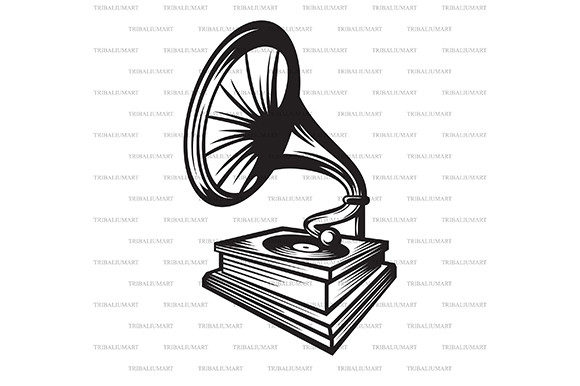
Retro Old Gramophone with Horn Speaker
There is a specific kind of nostalgia that hits you when you see a vintage gramophone. It isn't just about the music; it is about the era, the craftsmanship, and the tactile feeling of turning a crank to hear a melody. As an experienced designer who has spent years testing machine embroidery design files for real-world projects, I often find myself drawn to themes like this. When I first laid eyes on the Retro Old Gramophone with Horn Speaker, I didn't just see a pretty image; I saw a potential centerpiece for a boutique collection or a heartfelt personalized gift.
This review comes from the perspective of someone who has actually stitched this design out, tested it on various fabrics, and imagined how it would look in a customer's hands. The goal here is not to simply list features but to provide practical insight into whether this piece fits your workflow, your brand, and your client's expectations.
First Impressions: Mood and Visual Personality
The moment you unbox the digital assets, the Retro Old Gramophone with Horn Speaker exudes a warm, classic vibe. Unlike modern geometric trends that scream "new," this design whispers "timeless." The illustration style leans heavily into the Illustrations category, offering clean lines that suggest a hand-drawn aesthetic rather than a rigid vector shape. This is crucial because embroidery relies on the interplay of thread and fabric, and a design with too much rigid detail can get lost in the stitching process.
Visually, the horn speaker acts as a natural focal point. It curves outward, creating a dynamic flow that guides the eye across the composition. For an embroidery file, this curvature is a blessing. It allows the needle to move naturally without excessive jumping between distant points, which reduces thread breakage and keeps the tension consistent. The mood is cozy, intellectual, and slightly whimsical, making it perfect for a coffee shop apron, a library-themed nursery, or a vintage-inspired tote bag.
Real-World Application: From Screen to Stitch
Let's talk about where this design truly shines. I recently considered using the Retro Old Gramophone with Horn Speaker for a custom order involving a set of kitchen towels for a wedding gift. The couple was hosting a retro-themed dinner party, and they wanted something unique that wasn't just a standard monogram. Imagine the finished product: a crisp white tea towel with the gramophone stitched in deep navy and burnt orange threads. The horn would catch the light beautifully, adding texture to the linen.
This same design works exceptionally well for custom apparel. I envision it on a heavyweight sweatshirt for a music teacher or a record store employee. The size of the gramophone allows it to sit comfortably on the chest or back without looking overwhelming. However, the context matters. If you are an Etsy seller looking to create a line of handmade products, this graphic offers high recognition value. People love vintage tech, and a well-executed embroidery of a gramophone signals quality and attention to detail.
For commercial embroidery projects, such as branding for a small boutique or a craft fair booth, the Retro Old Gramophone with Horn Speaker serves as a strong visual anchor. It is distinct enough to be memorable but simple enough to be legible from a distance. When you pair this with a solid background color, the contrast ensures that the details of the turntable and the flared horn remain clear. This clarity is what builds customer trust; nothing kills a sale faster than a blurry, muddy stitch job.
Navigating Challenges: Where to Proceed with Caution
While the design is versatile, no single file is a magic bullet for every situation. There are specific scenarios where the Retro Old Gramophone with Horn Speaker requires careful consideration. First, consider the hoop size. If you are working with a small hoop, such as one used for a baby hat or a cap, you must evaluate the density of the details. Tiny elements of the gramophone mechanism might become indistinguishable if the scale is reduced too much. In these cases, simplifying the design or focusing on the outline might be necessary.
Fabric choice is another critical factor. Embroidering on stretchy fabrics like jersey or thin cottons can lead to puckering, especially if the design includes large areas of fill stitch. The Retro Old Gramophone with Horn Speaker likely contains significant fill areas to give the horn its volume. To combat this, using a high-quality stabilizer is non-negotiable. A cut-away stabilizer will provide the necessary support to keep the design flat and prevent the fabric from distorting over time.
Dark fabrics present their own set of challenges. While dark backgrounds add drama, they require careful thread selection. If the design uses lighter colors for the highlights on the gramophone, they might get lost against a black shirt unless you use a high-density underlay or a contrasting top layer. Additionally, textured fabrics like denim or wool can obscure fine details. On these materials, the Retro Old Gramophone with Horn Speaker should be treated as a bold statement piece rather than a delicate accent.
Practical Designer Notes for Success
Before you commit this design to a final product, there are several steps you must take to ensure professional results. Always test the design on scrap fabric first. This allows you to check the thread colors and observe how the stitch density interacts with your specific material. You might find that a satin stitch looks better than a fill stitch for certain parts of the horn, depending on your machine's capabilities.
Inspect the small details closely. The Retro Old Gramophone with Horn Speaker may contain tiny lettering or intricate gear mechanisms. Zoom in on your screen and print a mockup to see if these elements hold up at 100% scale. If you plan to sell the finished items, confirm the licensing terms before proceeding. Ensure you have the right to use the design for commercial purposes and understand any restrictions on the number of units you can produce.
When preparing your digital embroidery file, pay attention to the color separation. The provided formats, including SVG, DXF, EPS, JPEG, PNG, and PDF, offer flexibility, but you need to translate these into thread colors that work together. A good rule of thumb is to limit your palette to three or four main colors to maintain a cohesive look. Using too many shades can make the design appear busy and reduce the perceived value of the finished product.
Final Thoughts on Design Value
The Retro Old Gramophone with Horn Speaker is more than just a graphic; it is a storytelling element. It brings a sense of history and warmth to any project it adorns. Whether you are creating a personalized gift for a grandparent, a tote bag design for a local market, or a series of holiday embroidery pieces, this design has the potential to elevate your work. It speaks to the maker in all of us—the desire to preserve the past while crafting something new.
As a designer, my recommendation is to embrace the vintage aesthetic but apply modern technical rigor. Use the best stabilizers, choose high-quality threads, and always prioritize the integrity of the stitch. When done correctly, the Retro Old Gramophone with Horn Speaker will not only look beautiful but will also stand the test of time, both in durability and in style. For anyone in the craft business or looking to expand their design assets, this is a worthy addition to your toolkit.